A mount fuji tour is the most straightforward way to see Japan’s most recognizable mountain without spending a chunk of your trip untangling train transfers, bus timetables and seasonal road closures yourself. I’ve compared 8 real tours bookable from Tokyo and the Shimizu cruise port, ranging from a EUR 26 dawn photography run to a EUR 353 paragliding flight with the mountain as your backdrop, so you can see what each one actually gets you before you commit a full day of your trip to it. None of them are a guided summit climb: they’re all ground-level sightseeing, cruise excursions or an aerial experience, which is the format almost everyone who searches for a Mount Fuji tour actually wants.
What Is a Mount Fuji Tour and Why Book One?
Mount Fuji is an active stratovolcano rising 3,776 meters above the Kanto and Chubu regions, and it sits close enough to Tokyo that a day trip is genuinely realistic for most itineraries. A tour matters here more than at a typical attraction because the mountain’s own visibility is the real variable: it hides behind cloud on roughly two days out of three, and a fixed public transport schedule gives you no way to work around that. A private driver or an experienced guide who knows which viewpoint tends to clear first is worth more than the transport itself.
I’d frame the decision this way: book a tour if you have one day near Tokyo and want the best realistic shot at seeing the mountain clearly, and skip it only if you’re staying several nights in the Fuji Five Lakes region already and can simply wait out the weather yourself. For everyone else, the Mount Fuji Wikipedia entry is worth a quick read before you go, since it covers the mountain’s status as a UNESCO World Heritage Site and why the surrounding lakes and lava features (several of which show up on the tours below) are part of that same listing. For a broader first-timer’s overview of the whole region, our Mount Fuji travel guide lays out how Kawaguchiko, Hakone and the Fujinomiya side differ before you narrow down a specific tour.

What Mount Fuji Tours Can You Book, and What Do They Cost?
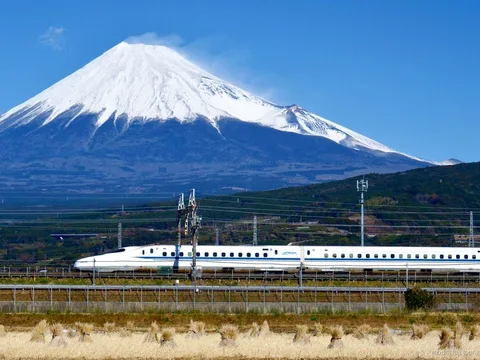
The 8 tours compared on this page span four real formats: private full-day tours, shared group coaches, a cruise-port shore excursion and a paragliding flight, priced from EUR 26 to EUR 353 per person. At the budget end, the Mount Fuji 9 Iconic Spots Photo Tour (EUR 26) and the Mount Fuji Value Group Tour (EUR 44) both put you on a shared coach with a fixed schedule, visiting five to nine named viewpoints in a single day. In the middle, the caves and forest private tour (EUR 60) and the bullet-train Hakone combo (EUR 102) each add a genuinely different angle, volcanic geology in one case, a Shinkansen ride home in the other. At the top end, the two full private tours (EUR 273 to EUR 277) buy you a flexible schedule and vehicle to yourselves, and the paragliding flight (EUR 353) buys you an experience rather than a set of photo stops.
My honest read is that the price gap mostly tracks group size and flexibility rather than quality: a private vehicle costs the same whether one person or six are in it, so it’s genuinely expensive per head for a solo traveler and genuinely reasonable for a family of four. Booking itself is simple on every listing here: you pick a date and, on the private tours, a route (lake-focused or Hakone-inclusive), pay online, and get a confirmation with a meeting point. Free cancellation is standard on most of these, which is worth using given how weather-dependent this destination is; I would not book a non-refundable Fuji tour unless the price difference was substantial.
Private vs Group Mount Fuji Tours: Which Should You Choose?
This is the single biggest fork in the road, and I’d decide it mostly on group size rather than budget alone. A private tour, like the standard private day tour or the Hakone private tour, puts a driver-guide and vehicle at your disposal for the whole day: stop order, timing and even the route itself (lakes only, or a Hakone extension) can shift around the weather and your own pace. Split three or four ways, the per-person cost lands close to a mid-range group tour, which is why I’d steer a family or small group of friends toward the private option almost every time.
A shared coach tour, like the value group tour or the nine spots photo tour, runs on a fixed departure time and a set stop order that the driver can’t rearrange for you. What you get in exchange is a price that a private vehicle simply cannot match for one or two people: the nine spots tour, for instance, visits nine named locations for well under a tenth of the flagship private tour’s price. If I were traveling solo or as a couple on a tight budget, I would take the group tour without hesitation; the itinerary overlap with the private tours is bigger than the price gap suggests. Our guide to choosing the right Mount Fuji tour breaks this decision down further by traveler type, including families, seniors and travelers who need an English-speaking guide confirmed rather than just an audio track.
How Do You Get to Mount Fuji from Tokyo?
Every tour compared here departs from central Tokyo (or, in one case, the Shimizu cruise port) and drives out to the Fuji Five Lakes region in roughly two hours. Private tours pick you up directly from your hotel; shared coaches use fixed points, usually Tokyo Station and Shinjuku Station, with an early departure and no waiting for late arrivals. Doing this independently is possible: a train to Otsuki or Kawaguchiko Station followed by local buses between viewpoints, but in my experience researching this route, that adds enough transfer waiting that a self-planned day realistically covers fewer stops than an organized tour manages in the same window. Our Mount Fuji day trip from Tokyo guide compares the train, bus and private-car options stop by stop if you want the full breakdown before deciding.
Can You Climb Mount Fuji on One of These Tours?
No, and this is worth being clear about before you book. Every tour on this page is a sightseeing trip to lake viewpoints, shrines, the 5th Station gateway or (for the paragliding option) the air above the mountain, not a guided summit hike. Climbing to the actual summit is a separate undertaking, officially open only from early July to early September, requiring several hours of overnight trekking, a trail reservation and real fitness. If summiting is genuinely your goal, our dedicated Mount Fuji climbing tour guide and the official climbing portal are the better starting points, since none of the products compared on this page get you past the 5th Station.
I’d add that most visitors, once they understand what a summit climb actually involves (an overnight hike, mountain huts, real altitude), are happy to settle for the 5th Station or a lake viewpoint instead, which is exactly what these 8 tours are built around.
When Is the Best Time to Visit Mount Fuji?
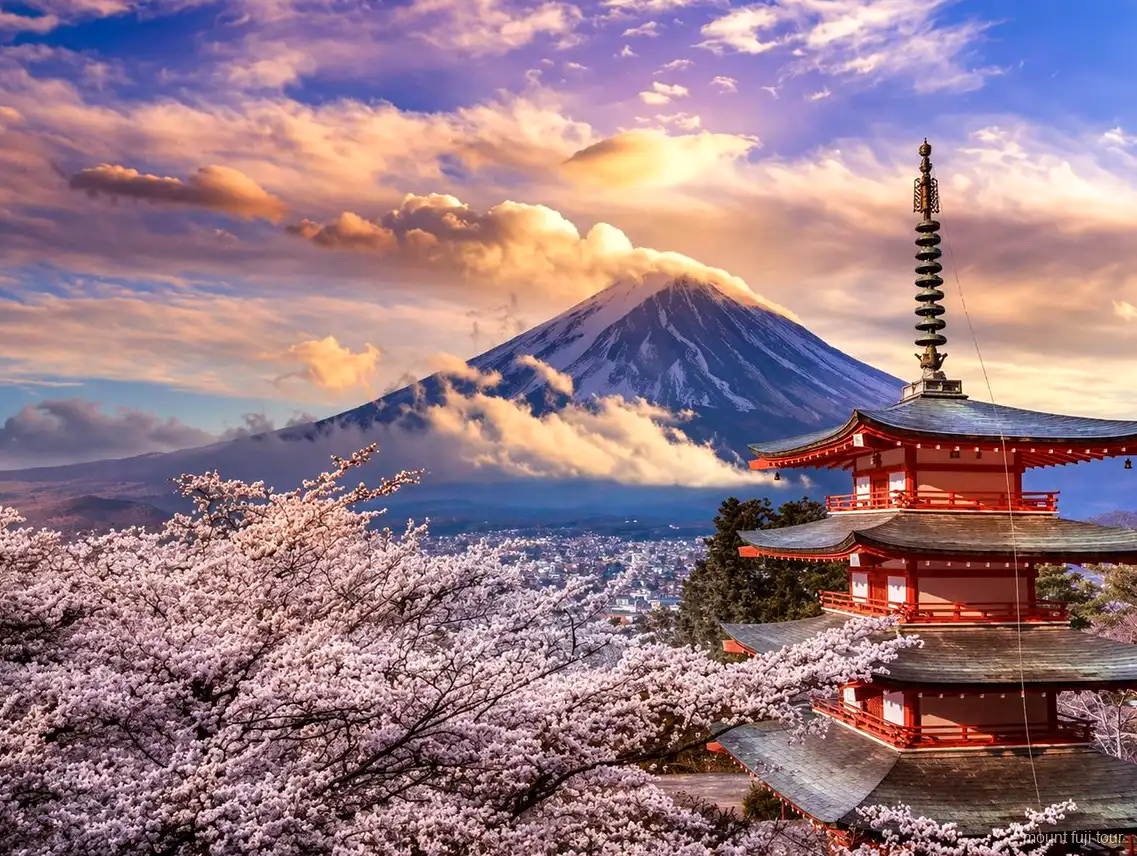
Visibility and climbing season are two different questions, and mixing them up is the most common planning mistake I see. For seeing the mountain clearly from the ground, winter mornings (December through February) before around 10am give the best odds, since the air is driest and cloud builds later in the day. Spring brings cherry blossoms framing the mountain at spots like Chureito Pagoda, which is worth planning around if photography is your priority, while summer afternoons are the least reliable window for a clear view even though it’s peak travel season. I would personally pick an early-departure tour over a late one on any date, since every operator here notes that cloud tends to build through the morning regardless of season.
Climbing season is unrelated and much narrower: early July to early September, set officially each year and covered in more depth on our climbing tour guide. If you’re only sightseeing, ignore that window entirely; every tour on this page runs year round.
What Should You Expect on a Mount Fuji Day Tour?
Plan on a long day: 10 to 11 hours is typical for both the private and group full-day tours, with roughly four hours of that spent driving each way. Expect a series of 30 to 90 minute stops rather than a leisurely half day anywhere, a self-paid lunch break on most itineraries, and cash needed for optional entrance fees since rural ticket booths near the lakes don’t reliably take cards. The shorter options break this pattern deliberately: the Shimizu cruise excursion is scoped to half a day around a ship’s schedule, and the paragliding experience is built around a single activity rather than a stop list.

My honest take on comfort: bring layers regardless of season, since elevation at stops like the 5th Station or the lava caves runs noticeably cooler than Tokyo, and wear real shoes rather than sandals if your itinerary includes Chureito Pagoda’s roughly 400 steps.
Who Is Each Mount Fuji Tour Best For?
I’d match travelers to tours roughly like this. Families and small groups who want flexibility should book the private day tour or the Hakone private tour and split the per-vehicle cost. Solo travelers and couples on a budget are better served by the value group tour or the nine spots photo tour, both of which cover similar ground for a fraction of the price. Photographers specifically should lean toward the nine spots tour for its dawn Lake Yamanaka reflection and the Lawson convenience-store shot, stops the other tours skip entirely. Repeat visitors who’ve already done the standard lake circuit should look at the caves and forest tour instead, since Shiraito Falls and the two lava caves are genuinely different from another round of lake photos. Cruise passengers calling at Shimizu have exactly one sensible option here, the shore excursion built around their ship’s schedule, and thrill-seekers who want something other than another photo stop should consider the paragliding flight. For a longer walkthrough by traveler type, including families with young kids and travelers needing a confirmed English-speaking guide, see our guide on choosing the right Mount Fuji tour.
Should You Combine Mount Fuji with Hakone?
If you only have one free day near Tokyo and want a genuine sample of both regions, yes, and two tours here are built specifically for that: a private version and a coach-plus-bullet-train version. I’d be honest with you about the trade-off though, since roughly four hours of a combined day goes to driving between the two areas, which leaves you with a highlights tour of each rather than an unhurried day in either. If Hakone’s onsens and Lake Ashi cruise matter as much to you as Mount Fuji itself, I would book them as two separate days instead of squeezing both into one. Our Mount Fuji and Hakone day trip guide walks through what realistically fits in a single day, and Mount Fuji vs Hakone makes the case for visiting them separately if your schedule allows it.
What Else Is Worth Seeing Near Mount Fuji?
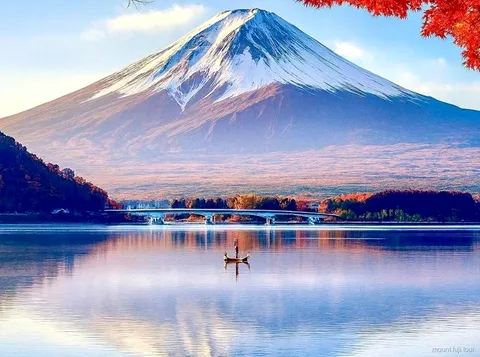
Most of these tours already build in stops beyond the mountain itself: Oshino Hakkai’s spring-fed ponds, Lake Kawaguchiko and Oishi Park’s seasonal flower path, or Shiraito Falls and the Aokigahara forest on the caves-focused itinerary. If you’re staying in the region longer than a single day trip, our Kawaguchiko and Fuji Five Lakes guide covers the wider area, including Fuji-Q Highland’s amusement park rides and the summer fireworks festival at Lake Kawaguchiko, neither of which fits into a standard one-day tour itinerary.
Insider Tips for Booking Your Mount Fuji Tour
Book a few days ahead at minimum, and further out during cherry blossom season or autumn foliage, when the best-value tours sell out first. I’d always pick free cancellation over a marginally cheaper non-refundable rate here specifically, since weather is the one variable no tour operator controls. Bring cash for lunch and any optional entrance fees, since rural ticket booths near the lakes and caves often don’t accept cards. If an early departure is offered and you can manage it, take it: cloud cover reliably builds through the morning at nearly every viewpoint compared on this page, and the Japan National Tourism Organization publishes seasonal travel advisories worth a glance if you’re planning around a specific week. Finally, confirm your exact pickup point at booking rather than assuming a hotel address alone is enough, since several private tours meet at a named station or landmark instead.