The price you see at checkout is the price you pay
Most Mount Fuji tours are built around lake views and shrines. This Mount Fuji caves and forest tour goes the other direction, following the mountain's volcanic history through Shiraito Falls, the lava-formed Aokigahara forest, and two genuine lava-tube caves, before finishing with a more familiar lakeside stop.
Why This Mount Fuji Tour Covers Different Ground
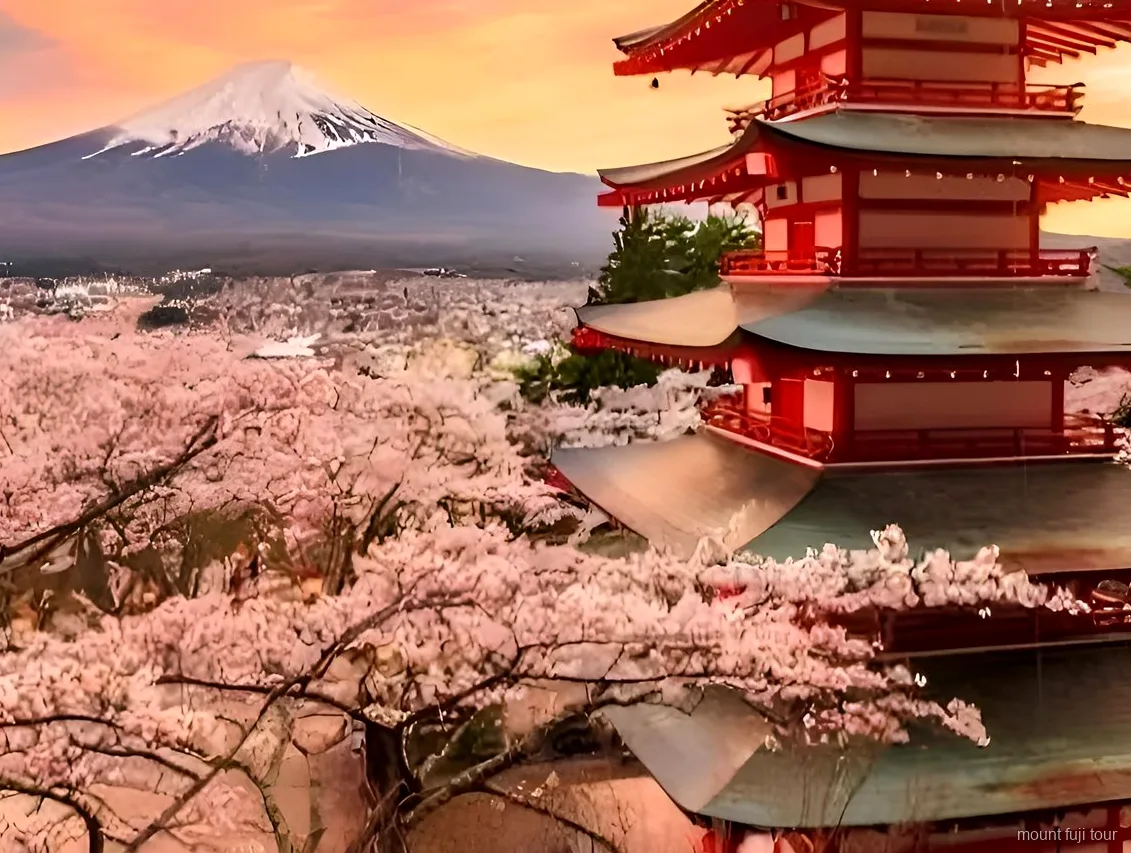
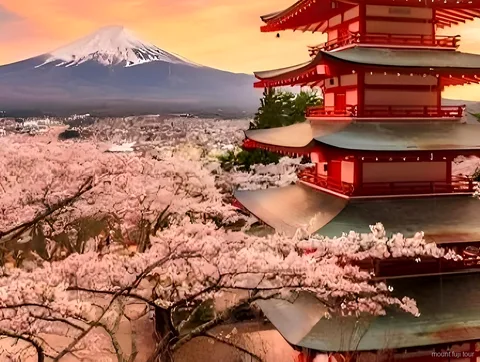
Chureito Pagoda and Lake Kawaguchiko photos exist because they're genuinely beautiful, but they're also the same photos every Fuji tour brings home. This itinerary is built around the region's less-photographed volcanic features instead: a waterfall entirely fed by the mountain's own groundwater, a forest that grew over its ancient lava flows, and two caves formed by that same volcanic activity.
What Makes This Mount Fuji Private Tour Special
Shiraito Falls is part of Mount Fuji's UNESCO World Heritage listing in its own right, not just an add-on stop, spreading groundwater across a wide rock face into hundreds of delicate streams. Aokigahara and the two lava caves that follow let your guide explain, in sequence, how a single mountain's eruptions produced a forest, a wind cave, and a separate ice cave, each shaped differently by the same lava flow.
What Should You Expect on the Day?
A private vehicle and driver-guide for roughly 10 hours, starting with the two-hour drive to Shiraito Falls, then a sequence of nature and geology stops through the middle of the day, and a shift back toward Lake Kawaguchiko and Oishi Park in the afternoon for a more conventional Mount Fuji photo before the drive home.
Who Should Book the Caves and Forest Tour?
Repeat visitors who've already done the classic pagoda-and-lake circuit, and anyone whose interest in Mount Fuji leans toward its geology and natural history rather than its shrines and villages. It's a weaker fit if the Chureito Pagoda photo or the Oshino Hakkai spring village are must-haves for you, since neither is a fixed stop on this route.
What Does the Mount Fuji Caves and Forest Tour Include?
The price covers your private driver-guide, air-conditioned vehicle, hotel pickup and drop-off in Tokyo, and photo-stop assistance throughout the day. It does not cover food, drinks, or entrance fees at any of the stops not specifically named in the inclusions, all of which are paid on the day.
Is the Mount Fuji Caves and Forest Tour Worth It?
For the price, this is genuinely good value even by private-tour standards, since it costs less than most standard Fuji private tours while covering a UNESCO waterfall and two real caves most visitors never see. Where it comes up short is on the classic must-see list: if Chureito Pagoda is non-negotiable for your trip, check that it's offered as an add-on before booking, since it isn't part of the fixed route.
Getting to Shiraito Falls and Aokigahara
Both sites sit further from the main train stations than the Kawaguchiko lakeside stops, making them awkward to reach independently without a car or an organized tour. A private vehicle removes that problem entirely, driving directly between the falls, the forest, and both caves without transfer waits.
Insider Tips for the Caves and Forest Tour
Wear closed shoes with grip; both lava caves have uneven, sometimes wet rock underfoot, and the wind cave in particular stays cold enough inside to need a light jacket even on a warm day outside. Aokigahara's marked paths exist for a reason, since the volcanic rock terrain off-path is genuinely difficult to navigate; stay with your guide throughout.
How Does This Compare to Other Mount Fuji Tours?
If Chureito Pagoda, Oshino Hakkai, and the classic photo circuit matter more to you than caves and waterfalls, the standard private day tour covers that ground instead. Cruise passengers looking for a shorter version of this same volcanic-geology theme should look at the Shimizu shore excursion, which also visits Shiraito Falls from a different starting point.
Mount Fuji Caves and Forest Private Tour: Route and itinerary
Hotel pickup in Tokyo
Your private driver-guide collects you from your Tokyo hotel in the morning, in an air-conditioned vehicle sized to your group. The drive to Shiraito Falls takes around two hours, so an early pickup keeps the day from feeling rushed. 📍 Tokyo Station, Tokyo, Japan
Shiraito Falls
A wide rock wall fed entirely by Mount Fuji's groundwater, spreading into hundreds of delicate individual streams rather than one single cascade. Plan on 30-45 minutes to walk the viewing paths and take photos; it's one of the region's most photogenic natural sites and is part of Mount Fuji's UNESCO World Heritage listing. 📍 Shiraito Falls, Fujinomiya, Japan
Aokigahara Jukai Forest
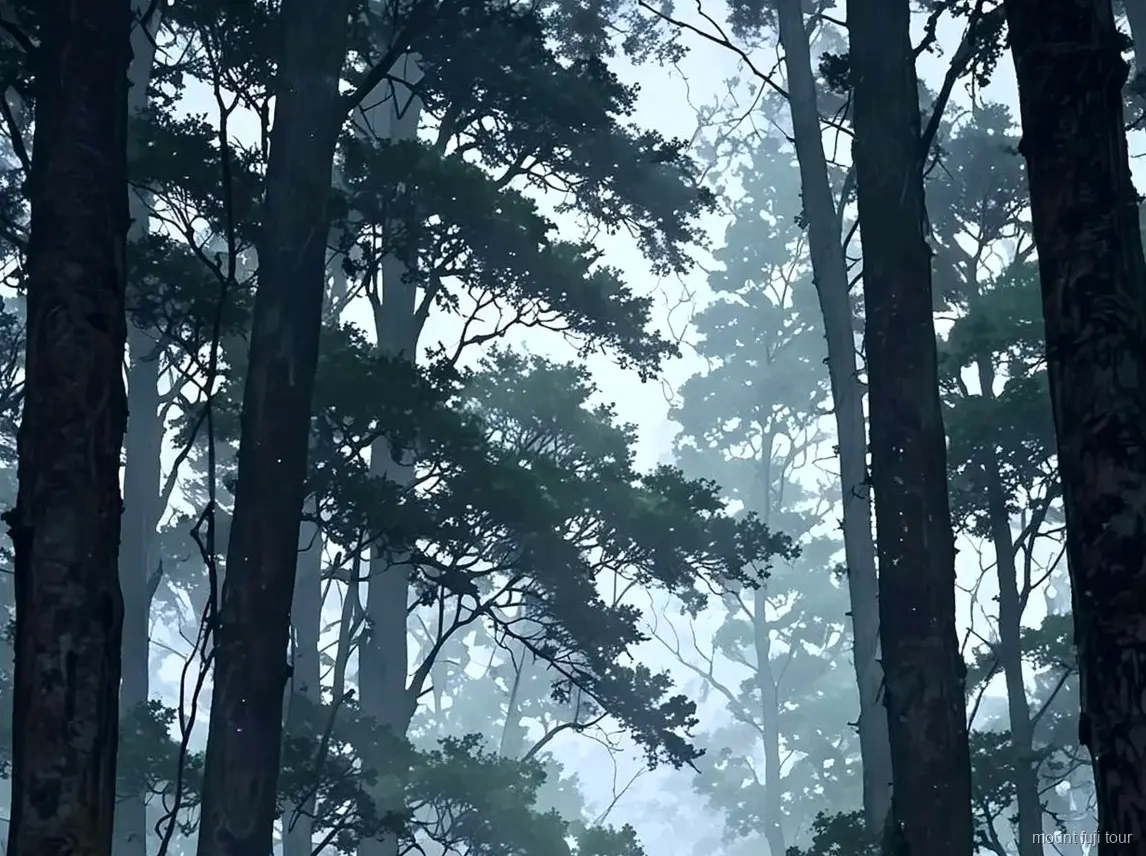
A dense forest that grew directly over ancient lava flows from Mount Fuji, with your guide explaining how the volcanic terrain shaped the roots, rock formations, and cave systems found throughout. Walking is confined to marked paths; this is a geology and nature stop, not a hiking trek. 📍 Aokigahara, Yamanashi, Japan
Fugaku Wind Cave
A natural lava tube cave roughly 30 minutes long to explore, formed when the outer surface of a lava flow cooled and hardened while the molten rock beneath drained away. The interior stays naturally cool year-round regardless of the season outside. 📍 Fugaku Wind Cave, Yamanashi, Japan
Narusawa Ice Cave
A second lava cave nearby, known for ice formations that can persist inside even when it's warm at the surface, depending on the season. Your guide explains the geological difference between this cave and the wind cave visited earlier. 📍 Narusawa Ice Cave, Yamanashi, Japan
Lake Kawaguchiko and Oishi Park
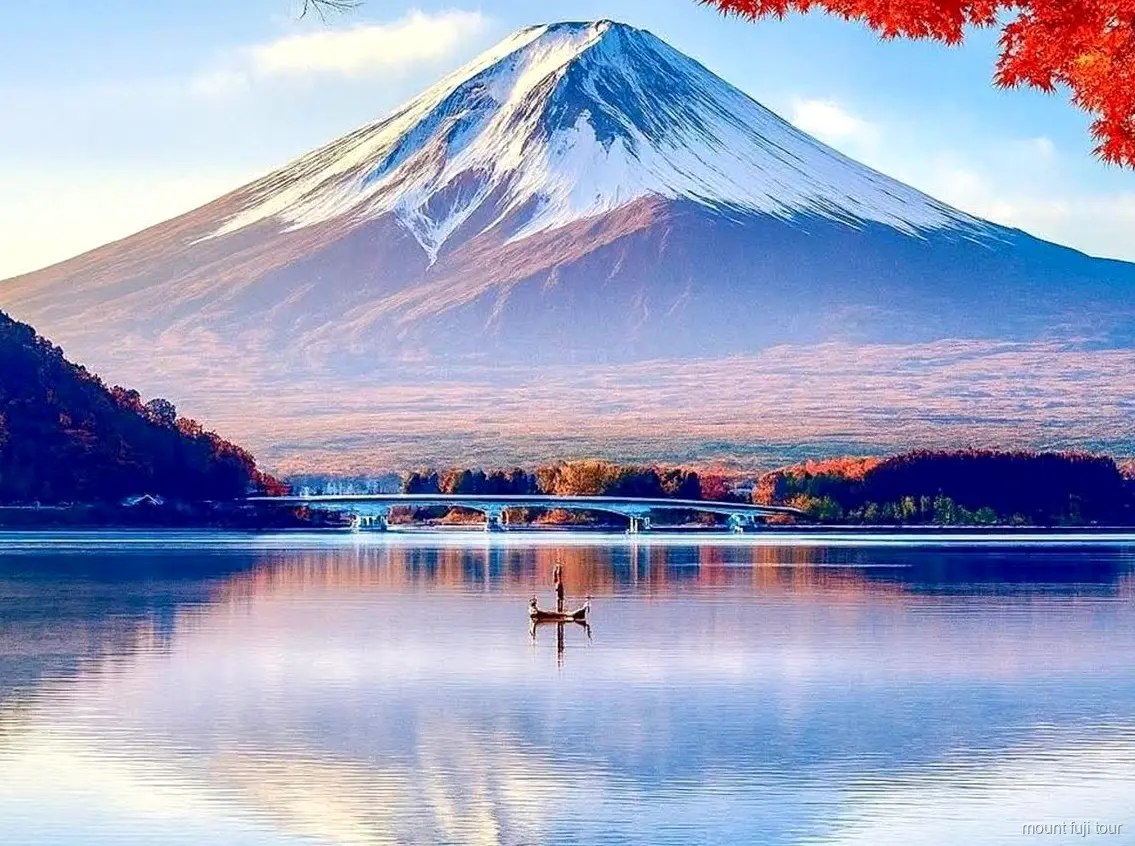
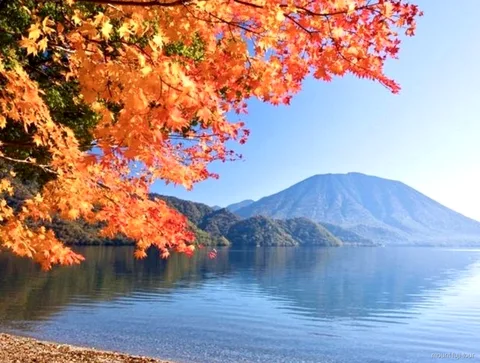
The day shifts from geology back to classic lake views, with time at Lake Kawaguchiko and the seasonal flower path at Oishi Park, weather permitting a Mount Fuji photo to close out the natural-history theme of the day. 📍 Oishi Park, Fujikawaguchiko, Japan
Return to Tokyo
The drive back takes roughly two hours, with your driver able to add one more stop (Oshino Hakkai, Arakurayama Sengen Park, or Chureito Pagoda) if time and interest allow. 📍 Tokyo Station, Tokyo, Japan
No technical skills are needed, but the floors are uneven natural rock and can be slippery in places, so closed shoes with good grip matter. Both caves have marked walking routes and take around 20-30 minutes each to explore.
Is Chureito Pagoda included on this tour?
It isn't a fixed stop on this itinerary, since the route is built around Shiraito Falls, Aokigahara, and the two lava caves instead. Ask your driver whether it can be added if time allows, or book the standard private day tour if it's a must-see for you.
Is Aokigahara forest safe to visit as a tourist?
Yes, when you stay on the marked paths with your guide, which is exactly what this tour does. The forest's reputation is about the difficulty of navigating its volcanic rock terrain off-path, not about the marked visitor routes.
How cold is it inside the ice cave?
Noticeably cooler than outside year-round, and ice formations can persist inside depending on the season even when it's warm at the surface. A light jacket is worth bringing regardless of the weather outside.
Do we still get a classic Mount Fuji lake photo on this tour?
Yes, the itinerary finishes at Lake Kawaguchiko and Oishi Park, giving you a conventional lake-and-mountain photo stop after the geology-focused first half of the day.
Is this tour private or shared?
It's a private vehicle and driver-guide for your group only, similar to the standard Mount Fuji private tour, just at a lower price point since it covers a different, less-visited route.